By Intercoastal Crawlspace. Published .
What is a CL-100?
The CL-100 is the South Carolina Official Wood Infestation Report. It records the condition of a home's wood structure at the time of inspection: evidence of termites and other wood-destroying insects, wood-destroying fungi, and moisture conditions that put the framing at risk.
Most lenders require one before they will fund a mortgage on a South Carolina home, and many buyers request one even when paying cash. The inspection is performed by a licensed inspector, and the report follows a standard state form, so every party in the sale reads the same findings.
What the inspector checks
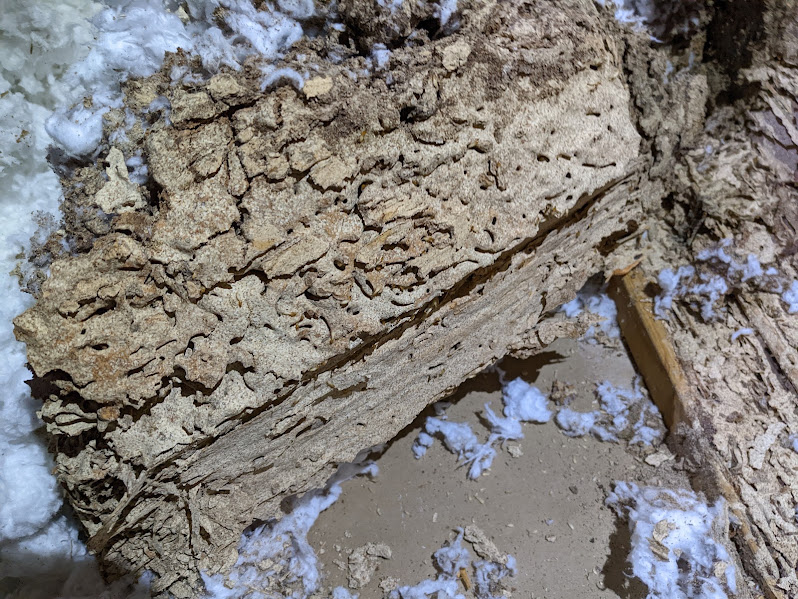
Most of the CL-100 happens under the house. The inspector looks at the sills, joists, subfloor, and piers, and takes moisture readings in the wood.
- Active termites or other wood-destroying insects
- Evidence of previous infestation or damage
- Wood-destroying fungi on framing or subfloor
- Wood moisture content and conditions that hold moisture, such as standing water or missing ground cover
How to read the moisture and fungi findings
Moisture findings are where most Charleston reports get flagged. Wood moisture content of 19 percent and under means fungi is inactive. Readings from 20 to 27 percent indicate excessive moisture conditions. At 28 percent and higher, fungi is active.
Readings are seasonal. A crawlspace that reads fine in January can read excessive in August, so a clean report in winter does not mean the moisture problem is gone.
For more detail, see our guide on how crawlspace moisture readings work.
What happens when the report flags a problem
A flagged CL-100 does not have to sink a sale. Usually the buyer, seller, and agents agree on who corrects the finding, the work is done, and the crawlspace is documented so the re-inspection can confirm it.
For moisture and fungi findings, the correction is usually physical work in the crawlspace: removing wet insulation and debris, installing or replacing the vapor barrier, improving drainage, or adding a dehumidifier. The right scope depends on what the readings and photos show.
Chemical treatment of wood or soil is work for a licensed pest control operator. If your report calls for treatment, make sure that part is handled by one.
Here is how we handle CL-100 and home inspection repairs.
Tips for buyers and sellers
Sellers can avoid surprises by having the crawlspace looked at before listing. Buyers should read the moisture section closely and ask for the actual readings, not just a pass or fail.
Whoever does the correction work should give you before-and-after readings and photos. That documentation is what the re-inspection and the closing attorney want to see.
Need the report itself? Schedule an official CL-100 inspection.