Inspections
CL-100 Inspections in Charleston, SC
- Licensed & Insured
- Photo-Documented Work
- Honest Recommendations Only
- Serving the Lowcountry
What the CL-100 inspection covers
Accessible areas, including the crawlspace
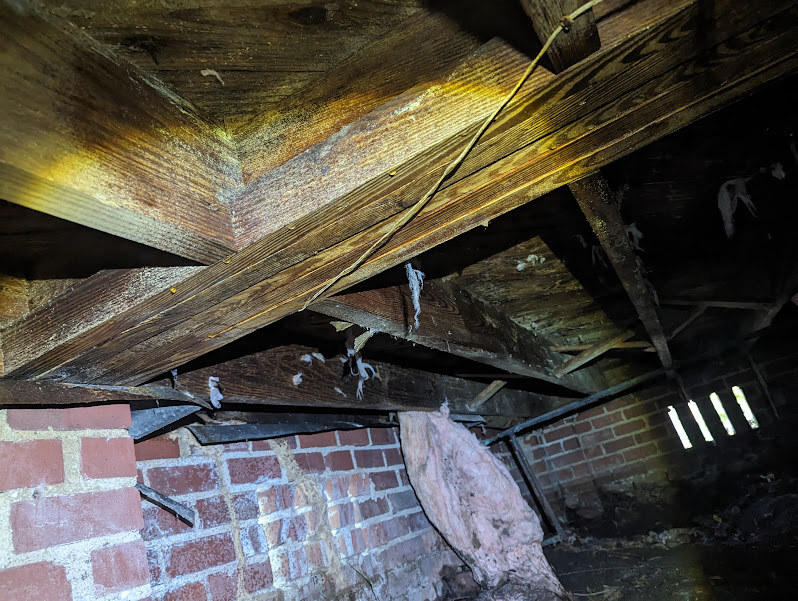
We go under the house rather than reporting from the access door. Accessible framing, piers, foundation walls, and the perimeter are all part of the inspection.
Wood-destroying insect evidence
Termites and other wood-destroying insects: activity, tubing, damage, and the conditions that invited them.
Fungi findings below the first main floor
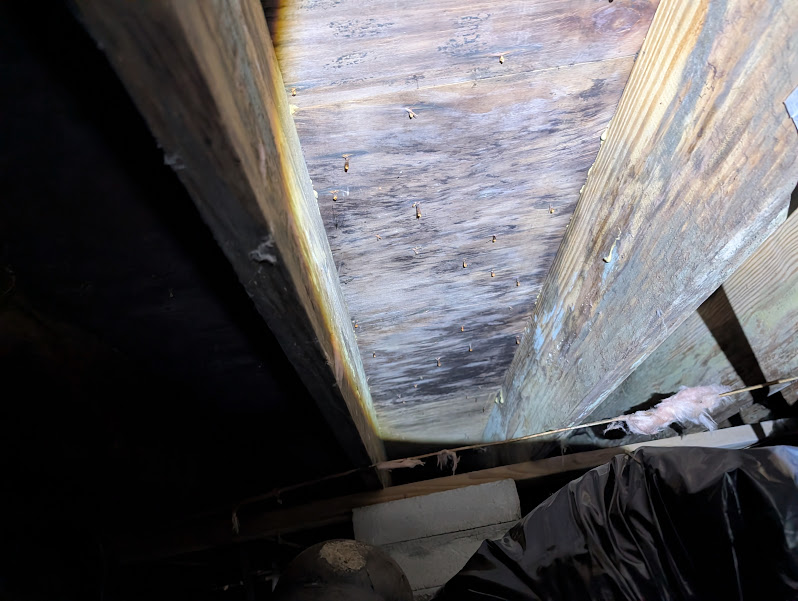
The report addresses fungi below the first main floor, so staining on joists and subfloor is documented with the reading taken at that spot.
Moisture readings against the reporting bands
Wood moisture content at 19 percent and under means fungi is inactive. From 20 to 27 percent is excessive moisture conditions, the range reports flag. At 28 percent and higher, fungi is active.
Previous treatment evidence
Signs of past treatment or prior repair work, noted so buyers and lenders know the history of the home.
Report delivery on the closing timeline
Tell us the closing date when you schedule. The report goes to you, and to the agent or attorney you name, in a form the file can take.
What the CL-100 means in a Lowcountry closing
Most Charleston area homes sit over a vented crawlspace on sandy soil with a high water table. That is a comfortable arrangement for moisture, which is why so many CL-100 reports in this market come back with moisture or fungi findings rather than insect findings.
Lenders and closing attorneys care about those findings because the report is the document of record. When a report shows excessive moisture or active fungi below the first main floor, the file usually waits until the condition is corrected and documented.
Readings also move with the seasons. A crawlspace can read active in summer humidity and inactive for six to eight months of the year, so one winter reading does not clear a home for August. Correcting the moisture source is what holds the reading down year round.
How we run a CL-100
- 01
Call with the address and closing date
We schedule against the contract date and tell you up front what we can commit to for that timeline.
- 02
We inspect the accessible areas and take readings
Crawlspace, accessible framing, and the perimeter, with wood moisture readings recorded where they matter.
- 03
You get the official report
The CL-100 form, filled out accurately, with findings described plainly and sent to everyone who needs a copy.
- 04
If there are findings, you get a correction quote
Scoped to what the report actually lists. If the report is clear, there is nothing to quote and we say so.
Inspection and correction under one roof
For agents and closing attorneys, this is the part that saves days. If the report comes back clear, you are done and the file moves. If it comes back with moisture findings, the correction quote comes from the company that just documented the crawlspace, so nobody has to schedule a second visit to work out what the first one meant.
The corrections are documented the same way: before-and-after moisture readings and labeled photos of every area we touched, in a form you can drop straight into the closing file.
Either way, our documentation is built so the re-inspection visit is short. See how the repair side works on our CL-100 and home inspection repairs page.
Frequently Asked Questions
The CL-100 is South Carolina's Official Wood Infestation Report. It is commonly required by lenders, and often requested by buyers or closing attorneys, before a sale closes. It reports wood-destroying insect evidence, damage, and fungi and moisture conditions below the first main floor.
Tell us the closing date when you call and we will tell you honestly whether we can hit it. We schedule closing work against the contract date rather than a general queue.
It means the inspection found something the form requires us to report, most often excessive moisture at 20 to 27 percent or active fungi at 28 percent and higher. It is not a failed home. It is a list of conditions to correct and document.
It varies by contract. In this market the seller commonly pays for the report and any corrections, but it is negotiable and your contract governs. We invoice whoever the parties tell us to invoice.
Yes, on the moisture side: vapor barriers, drainage and standing water, ventilation, and dehumidification, documented with before-and-after readings and labeled photos. Chemical wood treatment is work for a licensed pest control operator.
We do this work every week across the Lowcountry, including CL-100 inspections in Mount Pleasant, CL-100 inspections in Summerville, and CL-100 inspections on Johns Island.
Related work
Termite Inspections
Whole-home inspection documented with 30 to 60 labeled photos shared with you.
CL-100 & Home Inspection Repairs
The corrections a report calls for, documented for re-inspection.
Not sure which of these your home needs? Compare every option on our Charleston crawlspace services page, or read how we handle CL-100 moisture corrections before a closing.
Closing on a Lowcountry home and need the CL-100 scheduled?
Call (843) 408-3877 with the address and the closing date. One company for the inspection, the corrections, and the documentation.